
A certain type of magic happens when you step off a train or car and realize you are not surrounded by tour buses and selfie sticks. While many places to visit in India are famous—like the backwaters of Kerala or the iconic Taj Mahal—people recognize them for a reason. But India is a continent-sized country with many hidden aspects that most travelers never see.
Traveling in 2026 focuses less on checking boxes and more on creating connections. If you’re tired of “Top 10” lists that take you to the same crowded sites, this is for you. Whether you’re planning a solo soul-searching journey or a family holiday that truly feels like an adventure, these ten hidden gems open a window into the sheer beauty of the subcontinent.
1. Tirthan Valley, Himachal Pradesh
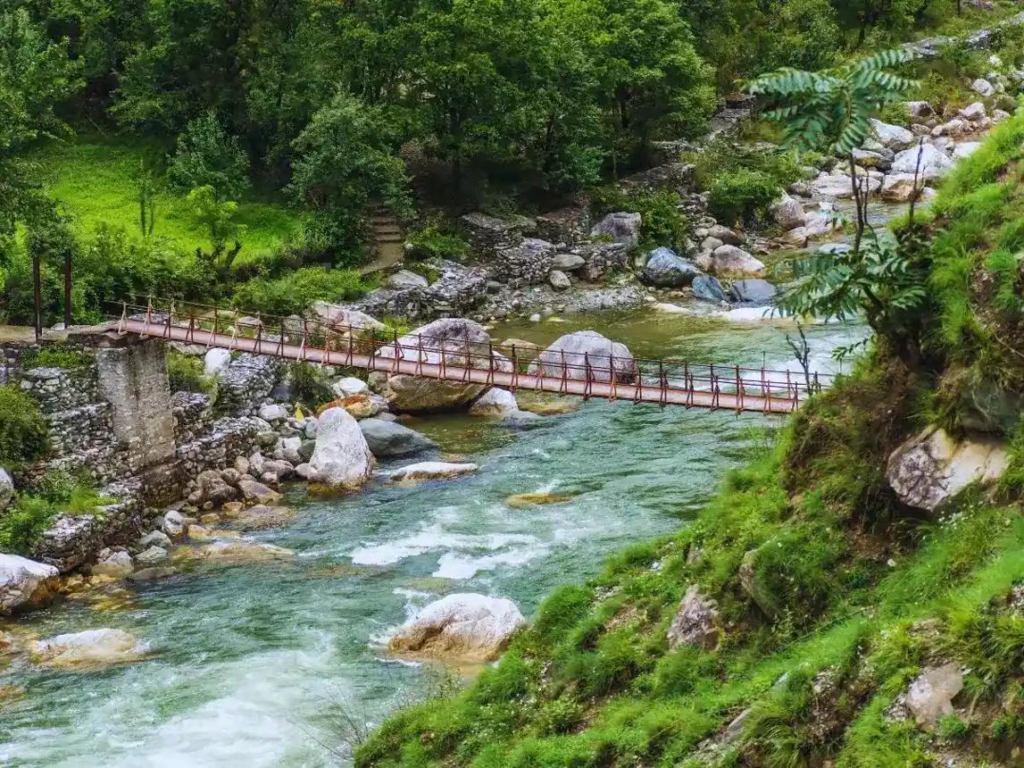
Nestled in the Kullu region, Tirthan Valley offers peace while locals deal with traffic bottlenecks in Manali. Although it serves as the gateway to the Great Himalayan National Park, a UNESCO World Heritage site, it feels like a private sanctuary. Unlike the commercial hubs to the north, strict construction regulations help Tirthan preserve its “old-world” character.
Why it’s a treasure: The air carries a distinct scent—a blend of chilly river mist and pine needles. The pristine Tirthan River, known for brown and rainbow trout fishing since the British era, flows through the valley. However, anyone who wants to “unplug” can enjoy this place, not just fishermen.
The Experience: Stay in a wooden guesthouse built using traditional Kath-Kuni architecture with wood and dry stone. Hike to the hidden Chhoie Waterfall or spend an afternoon reading by the river. If you seek adventure, explore the National Park on a multi-day trek and discover secret meadows and rare Western Tragopan sightings.
Local Secret: Visit Gaushaini village and meet local weavers who still craft famous Kullu shawls on handlooms.
Best Time: October to November for autumn vibes, or March to June for lush greenery and blooming orchards.
2. Ziro Valley, Arunachal Pradesh
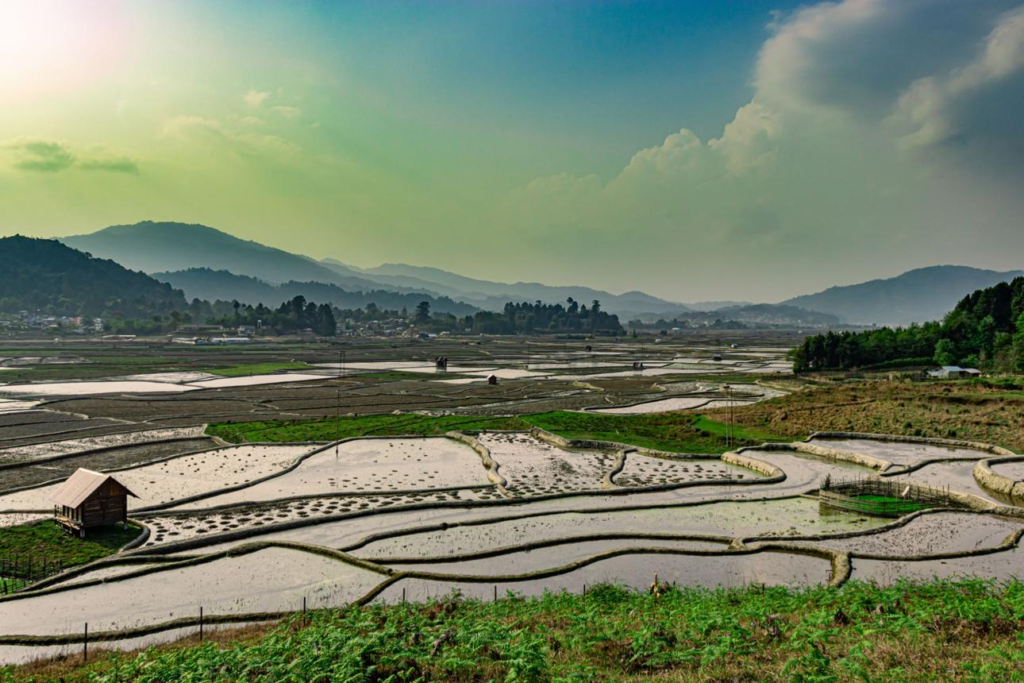
Imagine the Apatani tribe living in harmony with nature for generations in a level, emerald-green valley surrounded by misty pine mountains. Ziro offers more than a destination—it teaches sustainable living that predates modern environmental movements and stands among unique places to visit in India.
Why it’s a gem: The Ziro Music Festival attracts crowds, but the real magic unfolds during the quieter months. You’ll see terraced rice fields and women wearing bamboo nose plugs and facial tattoos—a fading tradition that the younger generation rarely follows.
The Experience: Walk through Hong Village, one of Asia’s largest traditional villages. Observe Apatani wet rice cultivation, where locals raise fish alongside rice. Taste Apong, a traditional rice beer served in bamboo mugs, along with local bamboo-cooked delicacies.
Pro Tip: Respect residents’ privacy and always ask before photographing elders.
Best Time: Visit anytime, but spring (March–April) offers stunning greenery.
3. Majuli, Assam
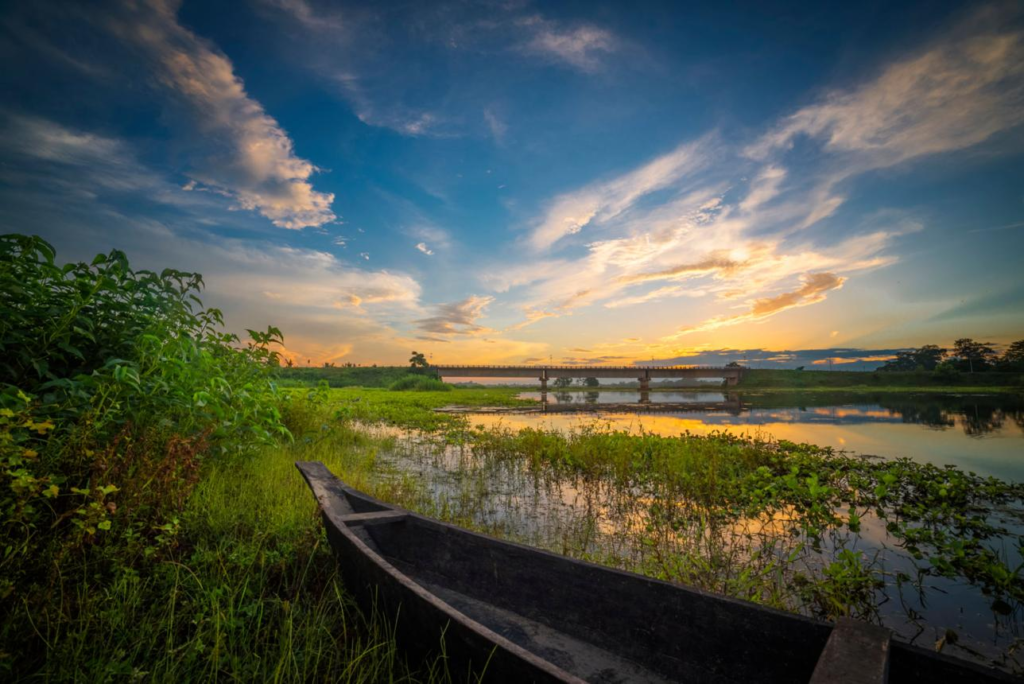
Majuli sits in the heart of the mighty Brahmaputra River and stands as the world’s largest river island, making it one of the most culturally rich places to visit in India. Each monsoon, the river erodes more land, giving the island a beautiful yet fragile charm.
It became the center of the 15th-century Assamese neo-Vaishnavite movement. Satras (monasteries) here actively preserve art, dance, theater, and mask-making traditions.
The Experience: Cycle through mustard fields and watch artisans create clay and bamboo masks at Samaguri Satra. These masks play a key role in Bhaona performances that narrate stories from the Ramayana and Mahabharata.
The vibe: Life flows peacefully with the rhythm of the river, highlighted by stunning sunsets.
Best Time: November to March, especially during the Raas Leela festival.
4. Orchha, Madhya Pradesh
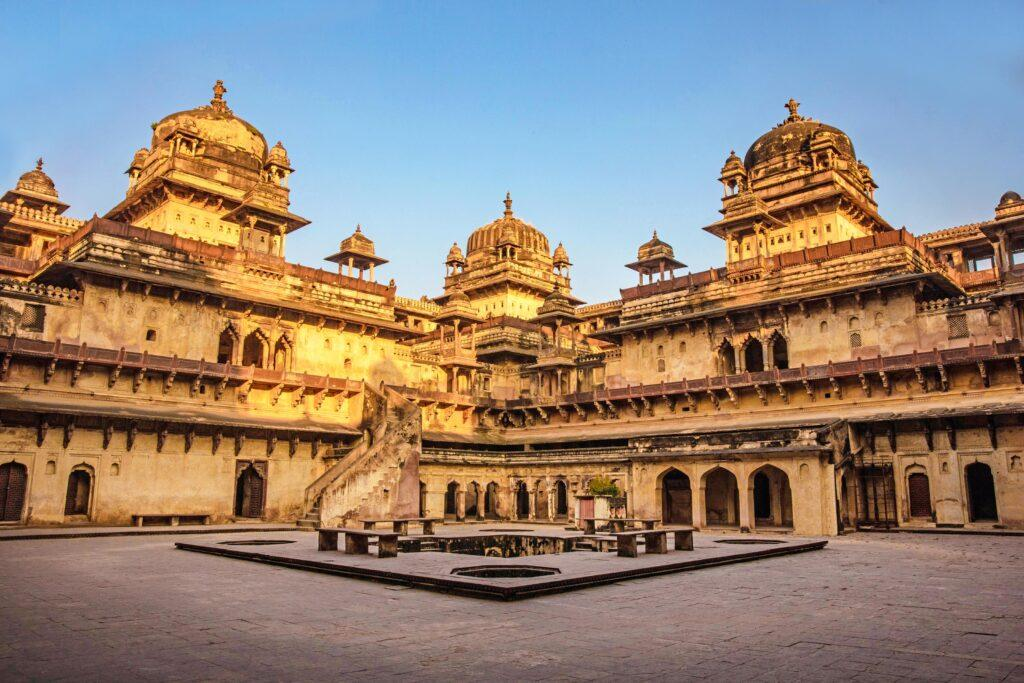
If you love Rajasthan’s history but dislike Jaipur’s crowds, Orchha offers the perfect escape. Located on the Betwa River, this town feels like an untouched medieval film set and ranks among underrated places to visit in India.
Why it’s a gem: Sunset reflections of the Chhatris create breathtaking views. Moss-covered forts, hidden passages, and raw architecture give Orchha a mysterious charm.
Experience: Explore Jahangir Mahal, built for Emperor Jahangir’s brief visit. Attend the evening Aarti at Ram Raja Temple, where devotees worship Lord Rama as a king.
Adventure: Try river rafting on the Betwa River for a unique perspective.
Best Time: October to March
5. Gokarna, Karnataka
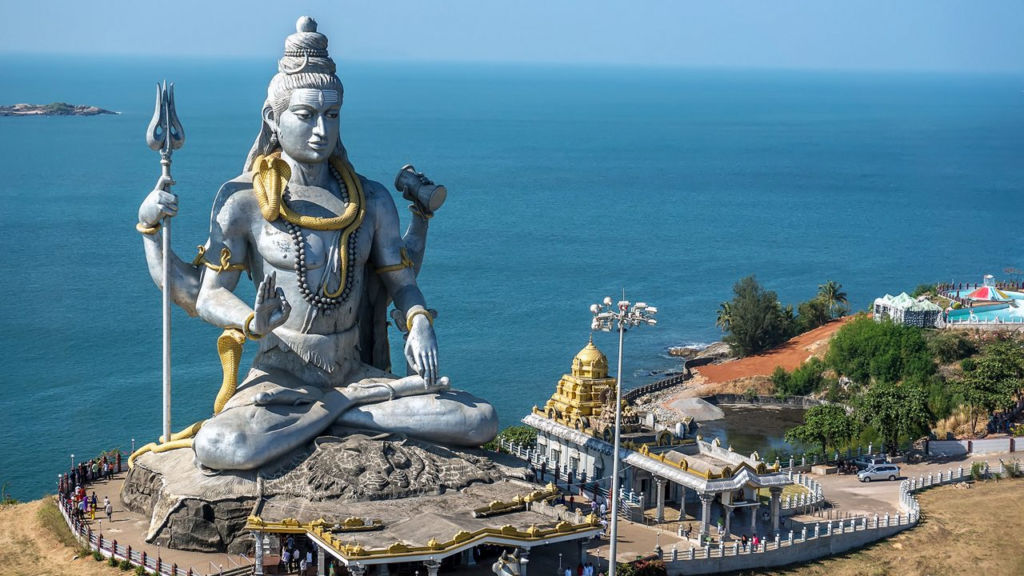
Goa’s more reserved and devout brother is Gokarna. It was only a pilgrimage town decades ago. Travelers seeking the “old Goa” experience—bonfires on the sand, primitive bamboo shacks, and long walks between remote coves—now choose it.
Why it’s a gem: Gokarna’s topography is distinct. Rocky cliffs and dense jungle pathways divide beaches like Om Beach (formed like the spiritual sign), Half Moon Beach, and Paradise Beach. The fact that you have to put in a little effort to go to them really deters ordinary tourists.
- The Experience: Hike the “Golden Trail” between the five main beaches. It’s a modest 4-hour trek with expansive Arabian Sea views. To hear the sound of the waves as you wake up, stay in a hut on Kudle Beach.
- Culture: See the Mahabaleshwar Temple, a historic location honoring Lord Shiva that predates the town’s beach culture.
- October through February is the best time to go. If you don’t like heavy rain and locked shacks, stay away from the monsoon.
6. Munsiyari, Uttarakhand
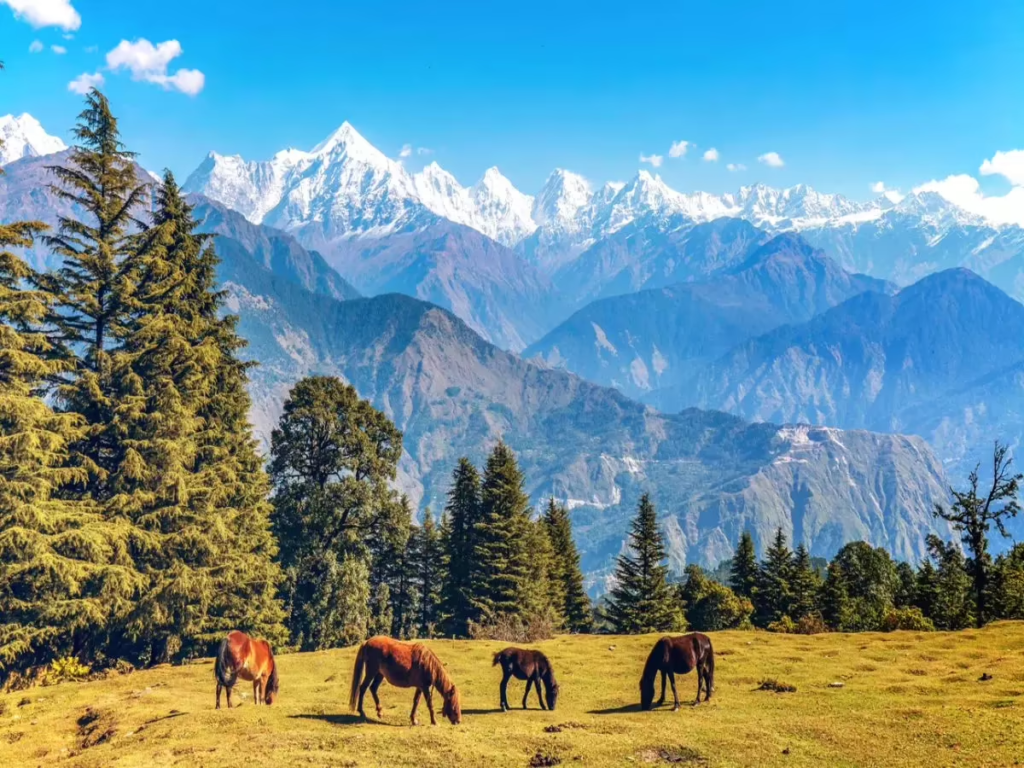
Munsiyari, sometimes referred to as “Little Kashmir,” is situated on the borders of Tibet, Nepal, and India. Located at the foot of the Great Himalayan range, it offers a direct view of the magnificent Panchachuli peaks.
Why it’s a gem: Because of its distant location—a long but picturesque journey from Kathgodam—it is a trekker’s dream that has mostly escaped commercial tourism. The Milam and Ralam Glacier hikes begin there, but even the quick strolls to the Nanda Devi shrine provide breathtaking views.
- The Experience: Take a tour of the Tribal Heritage Museum, a private collection that chronicles the Shauka people’s history as traders with Tibet. Spend your mornings observing birds; the area is home to a variety of eagles and the Himalayan Monal.
- Food Tip: Sample traditional Pahadi delicacies like Gahat ki Dal and the local “Bhang ki Chutney” (hemp seed dip).
- The best times to go are from September to October for the best views of the mountains, and from March to June for hiking.
7. Bundi, Rajasthan
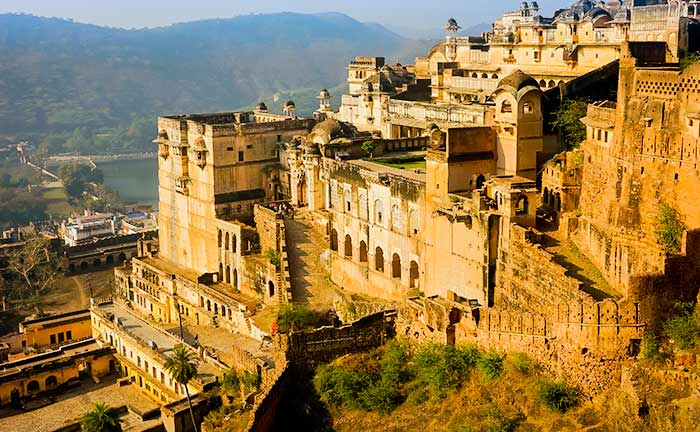
The best-kept secret in Rajasthan is Bundi. Bundi has the same blue-hued homes and winding ancient roads as Jodhpur, but in a much more personal setting. Rudyard Kipling was impressed by this hamlet and stated that Bundi Palace was “the work of goblins rather than of men.”
Why it’s a gem: The Bundi Palace has some of India’s most beautiful turquoise-and-gold murals, which have been shielded from the light for generations. The city is particularly well-known for its more than fifty “Baoris” or stepwells, which functioned as social hubs and water reservoirs.
- The Experience: Explore the Chitrashala (Ummed Mahal), an open-air painting gallery, for hours. Climb to Taragarh Fort for a sweeping vista of the “Blue City” as the lights start to glimmer at sunset.
- Photography: The unrushed, vibrant, and genuine street life here is a photographer’s paradise.
- October through March is the ideal time to visit.
8. Dhanushkodi, Tamil Nadu
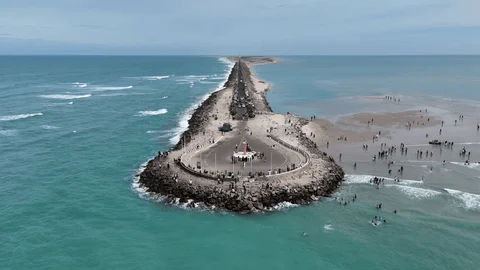
At the very tip of Pamban Island, Dhanushkodi is referred to as the “Ghost Town.” It was devastated by a cyclone in 1964 after being a thriving trading port. Today, the serene Bay of Bengal meets the roaring Indian Ocean on a breathtakingly gorgeous stretch of sand.
Why it’s a gem: This place has an odd, quiet atmosphere. Standing against the blue sea, you may stroll among the remnants of the old church, post office, and train station. It is the closest location to Sri Lanka geographically, and on clear days, you can sense the loneliness of being at the “edge of the world.”
- The Experience: Take a drive on the recently constructed, long, straight road with water on either side. See the horizon blur between the sky and the two distinct colors of the two oceans by going there at daybreak.
- Mythology: To get to Lanka, Lord Rama is said to have constructed the Ram Setu, or Adam’s Bridge, there.
- October through April is the ideal time to visit.
9. Chopta, Uttarakhand
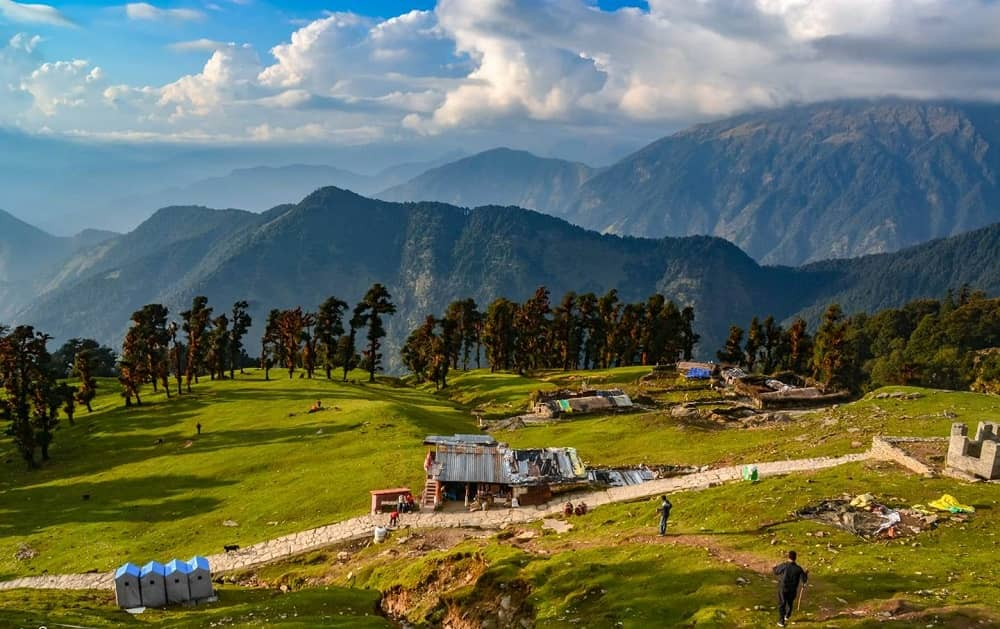
Chopta, a pristine natural area within the Kedarnath Wildlife Sanctuary, is referred to as the “Mini Switzerland of India.” It is home to dense rhododendron and oak forests as well as undulating alpine meadows known as bugyals.
Why it’s a treasure: It’s one of the few high-altitude locations in India that can still be reached in the winter. It is the starting point for the journey to the world’s tallest Shiva temple, Tungnath. Families and novices can easily complete the 3.5-kilometer trip.
- The Experience: Hike to the Chandrashila summit at dawn after leaving Tungnath. A 360-degree panorama of the Himalayan giants, such as Nanda Devi, Trishul, and Chaukhamba, is available from the summit. Rhododendron flowers cause the entire woodland to glow red in the spring.
- Eco-Travel: Since Chopta is a “no-electricity” zone in many areas, you can see the Milky Way with amazing clarity because the majority of lodging alternatives run on solar power.
- The best times to go are from January to March if there is a lot of snow, or from April to June if there are flowers.
10. Jawai, Rajasthan
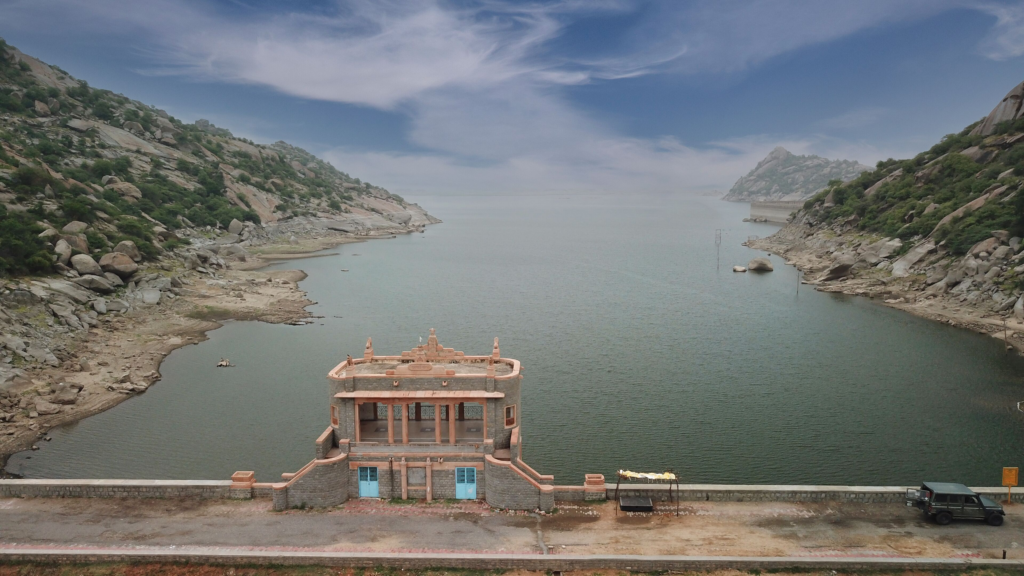
Forget Central India’s packed tiger safaris. For millennia, humans and leopards have coexisted peacefully in Jawai, a bizarre environment of ancient granite rocks.
The Rabari ranchers carry their cattle and goats just past the leopards, which is why it’s a jewel. A uncommon instance of human-wildlife cooperation is the lack of documented attacks on humans in recent times. Without the confines of a cage or a thick jungle, it is perhaps the greatest location on earth to witness leopards in their natural, rocky habitat.
- The Experience: Take a Jeep safari at dawn or dusk. It’s a dramatic sensation to see a leopard silhouetted against a massive granite rock in the crimson Rajasthani sun. Additionally, crocodiles and migrating birds like flamingos find refuge at the neighboring Jawai Dam.
- Luxury: The region is home to some of the most advanced eco-camps in India, providing a unique “glamping” experience.
- September through May is the best time to go.
The Importance of Offbeat Travel in 2026
Selecting the “path less traveled” is a significant decision at a time of excessive tourism. We are more than just visitors when we explore these undiscovered treasures; we are contributors.
- Economic Impact: Instead of going to big international hotel chains, your travel expenses go directly to local guides, guesthouse owners, and craftsmen when you visit towns like Majuli or Bundi.
- Cultural Preservation: When tourists express interest in traditional crafts, such as Orchha’s ceramics or Ziro’s weaving, the younger generation in those communities is motivated to preserve those customs.
- Environmental Balance: Distributing tourists lessens the strain on well-known locations like Goa or Shimla, which have problems with water scarcity and garbage management during busy times.
Final Travel Tips for Your Journey
Carry Cash: Many of these destinations remain remote. UPI works widely, but network issues may disrupt digital payments in mountains and islands.
Pack Smart: Layered clothing works best, especially in places like Munsiyari and Chopta where temperatures drop quickly after sunset.
Stay Flexible: Unexpected moments—like a local inviting you for tea or a detour leading to a hidden village—often create the best travel memories.
India waits to be rediscovered. Curious travelers who explore beyond the usual paths experience its true beauty. Which hidden gem will you visit next?
Planning your next trip? Visit our travel agency website to explore custom packages and expert-led tours to these hidden destinations across India!